The backpacks have been unpacked. Schedules have been adjusted. Practices, homework and after-school activities are officially underway. The whirlwind of back-to-school season may finally be settling down — but one important conversation shouldn't disappear with it.
Prevention continues all year long.
Parents and caregivers have countless opportunities throughout the school year to help young people develop healthy habits, navigate peer pressure and make positive choices. And those conversations don't have to feel like lectures.
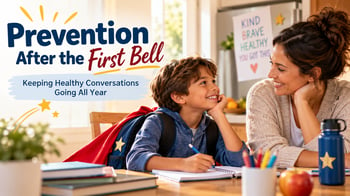
In fact, some of the most valuable prevention conversations happen naturally in everyday life.
Move Beyond "How Was School?"
You ask:
"How was school?"
They answer:
"Fine."
Conversation over.
Sound familiar?
Sometimes changing the question can change the conversation.
Instead, try:
- What made you laugh today?
- What was the best part of your day?
- Was anything stressful today?
- Who did you spend time with at lunch?
- What's something people at school are talking about right now?
- Did anything happen today that surprised you?
- What's something you wish adults understood about kids your age?
You don't need to turn every response into advice.
Sometimes the best thing you can do is listen.
Talk Early — Not Only When There's a Problem
It can be tempting to wait until children are older or until a concerning situation arises before discussing alcohol and other drugs.
But prevention works best when conversations begin before children encounter those decisions.
SAMHSA recommends that parents and caregivers talk directly and honestly with young people about alcohol and other drugs and continue those discussions over time. Parents can communicate clear expectations while also making sure children understand that their health, safety and well-being are the reason behind those expectations. SAMHSA
It doesn't have to be one long, uncomfortable conversation.
Small conversations matter.
Use Everyday Moments
Prevention opportunities are everywhere.
You're watching a television show and a character makes a risky choice.
Talk about it.
Your child mentions something happening at school.
Ask what they think.
You hear about vaping, alcohol or another substance on social media.
Ask what kids their age are hearing about it.
Your teen is going to a party.
Talk about what they might do if they feel uncomfortable.
These conversations allow young people to think through situations before they're standing in the middle of one.
Talk About the "What If?"
One of the most helpful things parents can do is help young people prepare for pressure.
Ask questions such as:
"What would you do if someone offered you something you didn't want?"
"What if your ride home had been drinking?"
"What if you were somewhere and suddenly didn't feel safe?"
Then create a plan together.
Maybe your child can text a specific word or emoji when they want to be picked up.
Maybe your family establishes a rule that they can always call for a ride.
Maybe you practice a few ways they could comfortably decline something without feeling like they have to explain themselves.
SAMHSA specifically encourages families to help young people build strategies for navigating situations involving alcohol and other drugs before those situations occur. SAMHSA
Pay Attention Without Making Every Conversation an Interrogation
Knowing what's happening in your child's life matters.
Know their friends.
Know where they're going.
Meet other parents when possible.
Pay attention to changes in behavior.
But balance monitoring with trust and communication.
Young people need boundaries, but they also need to know they can come to a trusted adult without automatically expecting anger or judgment.
That relationship can become one of their strongest protective resources when they encounter difficult choices.
Let Them Hear What You Believe
Don't assume your child already knows your expectations.
Say them.
Be clear about your family's rules concerning underage drinking and other drug use.
Explain why those rules exist.
Healthy expectations aren't about fear. They're about helping children understand that their decisions matter — and that the adults in their lives care deeply about their safety and future.
Prevention Doesn't End When School Starts
Back-to-school season gives families an opportunity to reset routines, expectations and communication.
But those habits shouldn't disappear once September is over.
Keep asking.
Keep listening.
Keep showing up.
Keep having the small conversations.
You may not receive a long answer every time.
You may occasionally get an eye roll.
Keep going anyway.
Because prevention isn't one conversation.
It's an ongoing relationship.
Informed Families Is Here to Help
Parents don't have to navigate these conversations alone. Informed Families provides prevention education, parenting resources and tools designed to help families raise healthy, drug-free children.
CTA: EXPLORE PARENT RESOURCES





